30/04/2019

Almost everything is connected to the internet these days, tracking and sharing nearly everything we do from exercise to places we travel to. Our privacy on the internet is disappearing. This is made possible by something referred to as the internet of things. The internet of things involves the idea that there are billions of devices around the world that are connected to the internet and are constantly sharing data. Information such as what we look at, what we are most interested in and what our lifestyles are like can all be tracked through the usage of social media applications and can also be viewed by marketers who can use this information to market products based on our personal interests or current circumstances.
The information we produce through our social media habits is known as big data, which is comprised of millions of data sets which are almost impossible to maintain through the use of typical database software. Applications and search engines such as google, Instagram and Facebook create structured and external sources of big data for marketers.

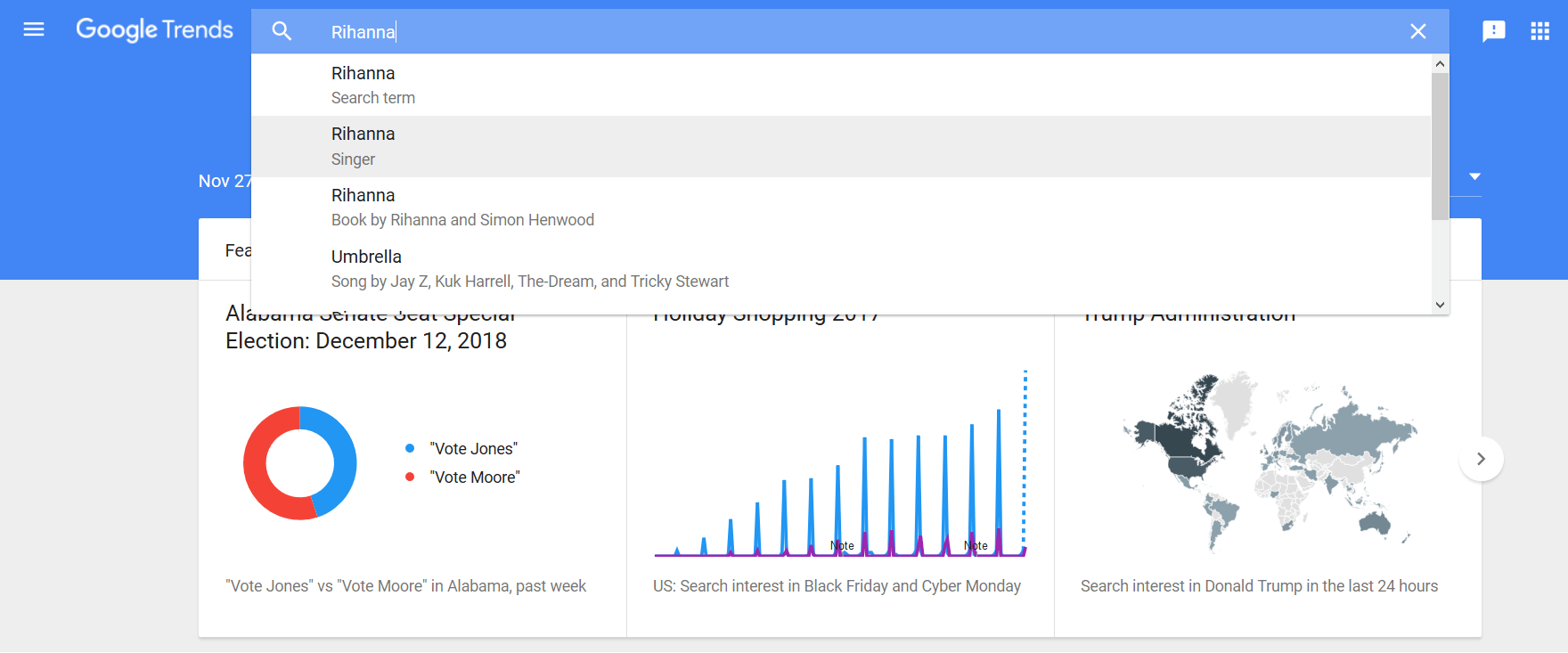
External data that can be found on social media sites include things such as users’ interests in certain events. For example if this event was a concert for a certain rapper, marketers would be able to know which users are interested in this rapper and can use this information to market products related to this rapper. The way marketers use social media data allows them to convert big data into value. Structured data that can be found on google that is organised and can be searched can allow marketers to see what people are saying about the brand or what they think about the brand. Programs such as google trends also allow marketers to see how many people hold a certain belief about a brand and where these people are mainly located. For example these marketers could see the search patterns for this certain rapper compared to other rappers amongst users. Let’s just say that this search pattern showed Eminem to be more popular than this certain rapper. Marketers could use this information to know how to address this issue and make the certain rapper more popular, they could make him more similar and relatable to Eminem and his fans. This information provided on sites such as google trends can also provide marketers with the ability to use predictive analytics and analyse historical data, predicting future trends allowing marketers to stay ahead of competition.
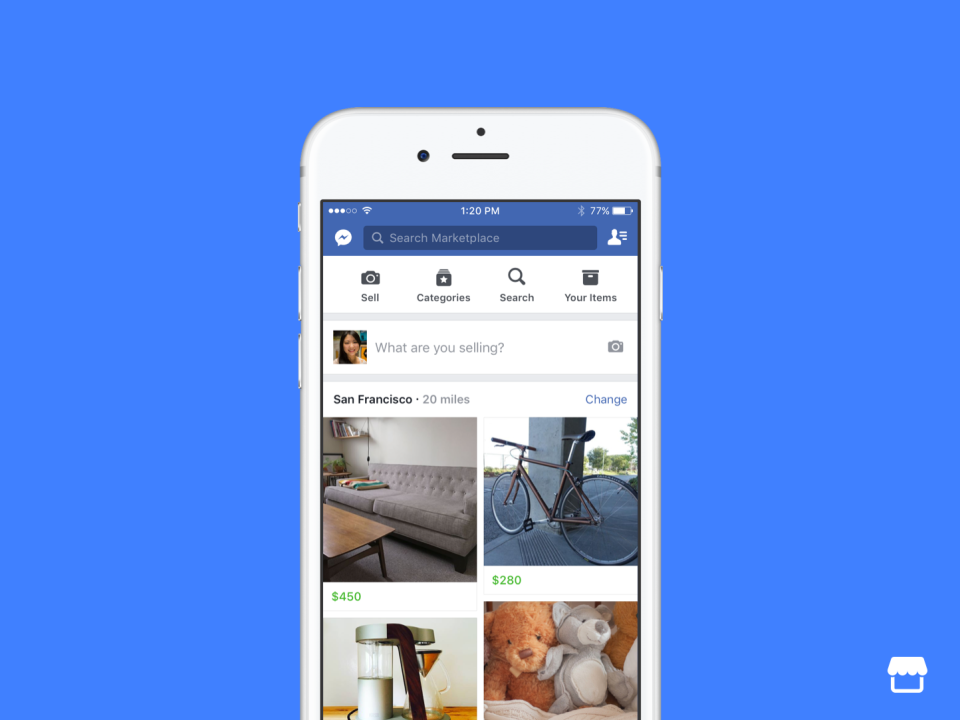
Social media platforms such as Facebook also provide marketers with a way to see users’ purchasing habits on the Facebook marketplace, allowing for products to be recommended to these users based on prior buying habits.
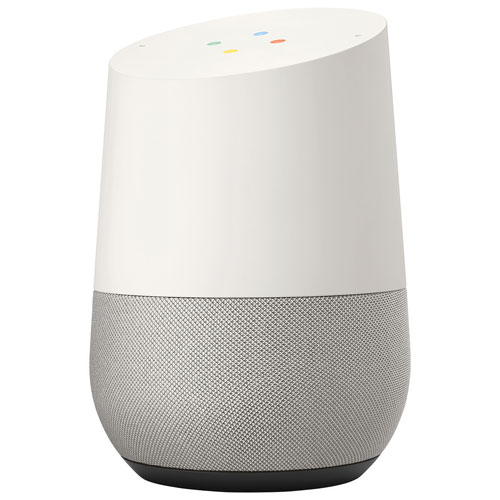
Every year more and more technology is being connected to the internet which becomes more deeply involved in our lives each time. For example there is technology such as smart watches that track our lifestyles and our exercise patterns. For some people, smart watches are something that they wear every day and use to track their health and other aspects of their life. These smart watches can store information of us like nothing else can. It can hold information such as the health status of users, for example whether they are obese or underweight or if they have high or low blood pressure. This information can be vital for marketers, allowing them to be able to know what products to market to certain users. For example if these smart watches share information indicating that this person may be obese, marketers can use this data to market weight loss products. As well as this, technology such as google home gets even more personal with users. Google home can store information like what groceries people buy and their daily routines around the home. This gives marketers access to customers’ lives like never before. Google home gives them the ability to tailor every product to the specific needs of every customer, knowing exactly what will entice them.

Of course with such technology there is always going to be several ethical issues. By marketers knowing so much about us and our lifestyles, it can be possible for them to manipulate consumers and control what they buy. These consumers may get stuck in a buying cycle that keeps getting fed by marketers who know exactly what will keep them in the cycle. As well as this, these marketers can also make consumers buy things they may not even want by using all the information consumers have given against them. For example a family with children may get pushed into buying processed snacks for their children that they don’t even need as a result of marketers constantly pressing these products on them due to the fact that they know this personal information about their family. Other ethical issues that arise from the collection of big data can also include how firms can make profit off of someones loss. For example, if someone’s relative had passed away and firms had gained hold of this information through social media, this information could be used as an opportunity to promote funeral services as well as life insurance, capitalizing on somebody’s loss.
Many issues with privacy have also arisen in the past with applications such as Facebook. The CEO of Facebook had been accused of selling information of facebook users to companies in order for profit to be made. This sparked a lot of outrage and led to many users not trusting Facebook any more, ruining their credibility. When looking at this case, it is clear that certain methods of big data collection may actually cost a brand by leading customers to lose trust and loyalty towards the brand and switch to other brands instead.

On the other hand however, by marketers obtaining such sensitive information, it can also benefit the consumers in a way since marketers will be able to provide people with real time point of sale and resolve customer issues in a timely fashion, keeping them happy. An example of this could be someone being shown an advertisement for cinema tickets to a certain movie that is being marketed to them due to the fact that their interest in that certain movie is disclosed. This allows the customer to obtain their movie tickets and the marketer to create a point of sale, benefiting both parties at the expense of the consumer’s privacy.

Overall, the collection of big data mostly benefits marketers but comes at a large cost for consumers. These consumer’s privacy is being lost as marketers are capitalizing from it. Everything we do on the internet leaves a mark and every year that mark is becoming more and more detailed for marketers as they are learning more about us than we even realize.
Do you think it is right that marketers can gain this much information about us? Does the benefit that marketers gain from collecting our information outweigh the costs that consumers may face? What are your thoughts? Let us know in the comments!

 Digital marketing blog Wednesday 8:30 Dean Carusi
Hi Dean awesome blog! privacy is a big issue within social media and online services and personally I would never use things like google home or alexa mainly for the reason that I believe they use my personal information for marketing purposes. I try to steer away from technology like this because I don’t really find it comforting knowing that these companies know personal things about me.
LikeLike
Thanks Emily, i do agree with you on that however on the other hand, there can also be positives to such technology. Technology such as google home and smart watches can gain information about us to tailor what products and services are advertised to us, creating a faster, easier way to get what we want, decreasing search times. For example, marketers can use this information to market products that certain consumers will actually find useful instead of advertising what they think this person will be interested in, for example a person who regularly buys marvel merchandise through the use of google home or Alexa, can have this information tracked and used by marketers to sell tickets for a new marvel movie. However you also have instances where information such as a persons health status could be used to market foods that they may be interested in, for example an obese person having things likes donuts being advertised to them. Things like this however can raise several ethical issues.
LikeLike