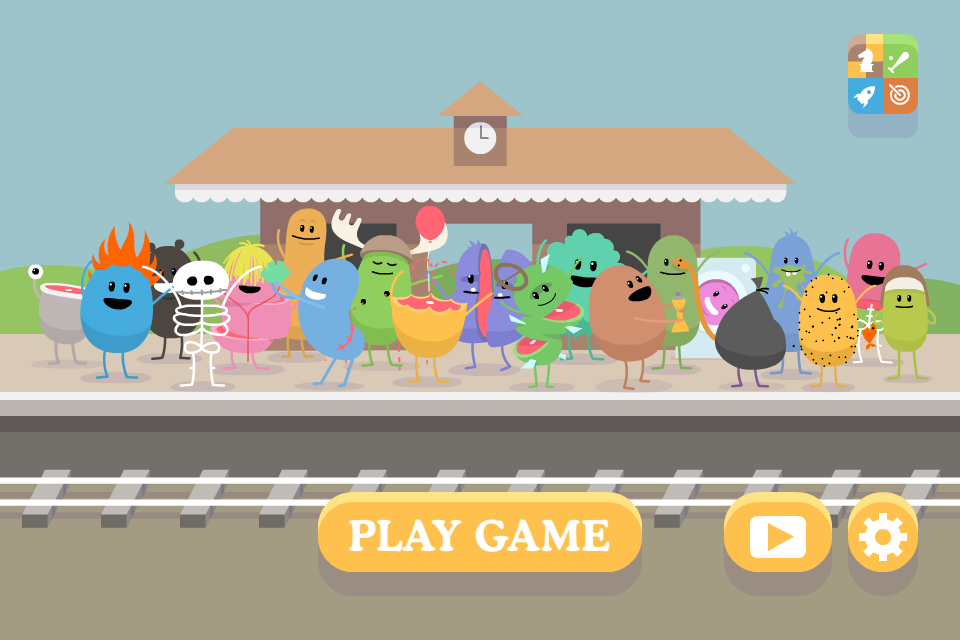
Dumb ways to Die came about in 2012 and began as an animated video campaign with a variety of characters experiencing brutal deaths. It was made by Metro as a way to get commuters to become more engaged with safety around public transport. In 2014, the video campaign had reached 77 million views on youtube. As well as this, the game created in 2013 had been named the number 1 free app in 21 countries and after 6 six weeks Dumb ways to die had accumulated over $60 million in earned media. Overall the dumb ways to die campaign can be seen as successful considering that railway accidents had reduced by 21% following the campaign. This has been discussed in further detail in the blog post posted on ‘the best of global digital marketing’. http://www.best-marketing.eu/case-study-metro-trains-dumb-ways-to-die/
So why did Dumb ways to die perform so well? What caused it to become this viral? This can be answered through ‘the three basic conditions for creating a viral marketing epidemic’ model discussed by Kaplan and Haenlein in their article ‘ Two hearts in three-quarter time: How to waltz the social media/viral marketing dance’ file:///C:/Users/PC/Downloads/kaplan_2011.pdf

The three basic concepts for creating a viral marketing epidemic involves the environment, message and messengers. Firstly with environment, we can refer to Dunbar’s threshold which involves the idea that Marketing campaigns should initially only reach a maximum of 150 people. Exceeding this threshold could lead to failure in getting a campaign viral as the campaign can become too broad. If most people believe that not everyone is aware of the campaign, this creates buzz and a continuous spread of messages, creating a viral campaign. The dumb ways to die campaign had a similar start. This campaign started out as a video on youtube which only users on the site would have seen and shared with their social connections and due to its quick gain in audience, Dumb ways to die had to think of more ways to reach an even wider range of people to create more seeds for future buzz. After the video became viral, the dumb ways to die campaign went on to become a popular game on smart devices and expanded their campaign to other mediums. This game had also become viral around the world and had decreased railway accidents quite significantly. Dumb ways to die also had a bit luck on their side, being in the right place at the right time with the launch of their campaign. The dumb ways to die game was released during a period where games on mobile devices were rapidly growing in popularity. This allowed the campaigners to create a game that wasn’t too complex to compete with similar games of that time, unlike mobile games now which are becoming more advanced.
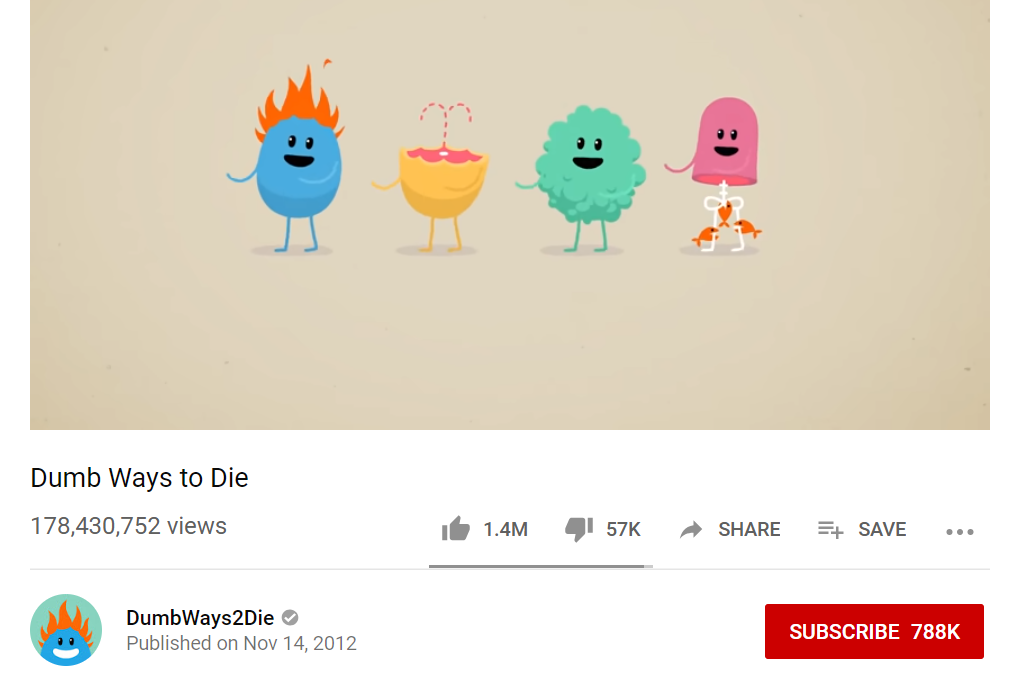
Being that the dumb ways to die campaign was quite straight forward and brutal, portraying deaths including people losing their heads, this made the campaign memorable and easily caught peoples attention since there was never really any other campaign as brutally honest as this was. The game that was created had also increased interest in the campaign for the audience since it had caused many consumers to become hooked to the app, trying to beat high scores resulting in the app gaining a whopping 120 million downloads by 2016.
With regards to messengers, the first group of people who would of received this message would of been the market mavens, who in this case would be the viewers on youtube who would act as a carrier of the information, spreading the campaign onto other social media platforms, increasing the reach that the dumb ways to die campaign would gain. The next step would involve the social hubs who are users with a large number of social connections. In the case of dumb ways to die, many of these social hubs were other users on youtube who were acting as distributors of the campaign, promoting the campaign through parodies and covers of the song. One of these youtubers who made a parody of the campaign, ‘JenthaCat’ had reached around 13 millions views for their video. Finally, the sales people are those who receive the message of the campaign from the market mavens and then amplify it making it more interesting and relevant. The sales people in this case could be itunes who further endorsed the campaign through the sale of the song.

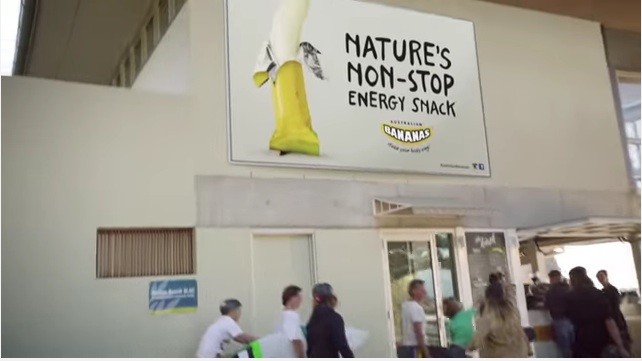
As Dumb ways to die succeeds, many other campaigns in the past have failed to go viral. Many of these campaigns can be seen to have failed in becoming viral due to their poor following of the three basic concepts for creating a viral marketing epidemic. Campaigns that never really created much buzz could include the campaign for Australian bananas which was launched not that long ago within recent years. This campaign involved the idea that the banana was natures energy snack and provided people with all the vitamins they needed. With regards to environment, the Australian banana campaign did not follow Dunbar’s number theory and had spread the initial message all over the place, creating billboards, TV commercials, social media posts and posters around train stations and other highly populated areas. Since the reach of this campaign was initially too wide, mostly everyone would assume that most people know about this campaign and there wouldn’t be much spreading of the campaign message through word of mouth. Secondly, the campaign itself isn’t really that interesting. The campaign just focuses on bananas and their effects on people’s health, it doesn’t include anything memorable for consumers like a game similar to what the dumb ways to die campaign had done. This could most likely lead to consumers failing to bring up the campaign in conversation or personally endorse it, the campaign’s message just tells consumers that bananas are nature’s energy snack and doesn’t provide anything that stands out above other campaigns.
After reading this blog, do you think that Dunbar’s number theory is always the right way to go when initially spreading a message of a campaign? Is there any other reasons why dumb ways to die was a success? Drop a comment down below!

 Digital marketing blog Wednesday 8:30 Dean Carusi
Hi Dean, nice blog post this week! I think Dunbar’s number theory is definitely important to keep in mind for marketers. Although many of us have hundreds of Facebook friends and hundreds of LinkedIn contacts, Dunbar’s theory states that 150 is the maximum amount of relationships one person can have before it starts to become unstable. For example, once the number of employees surpasses 150 in an office building, they were less likely to work together as a team.
With the rise of social media though, this number could actually expand a lot more. According to brandwatch, the average number of Facebook friends is approximately 338. Now, it might not be really about how many stable relationships we have, it’s about choosing the right platform and what is most convenient to share around. Now it all depends on social media’s algorithm, who sees it and who thinks it’s cool enough to ‘retweet’ or ‘repost’. For example, on Twitter and Instagram, we don’t have ‘friends’, we have ‘followers’, sometimes millions of them, all who we don’t know. Marketers need to choose the right platform that’s easy to share the campaign around (like YouTube or Twitter with the click of a button) and choose the right person to start the virality.
I think Dunbar’s theory is important and is definitely one of the necessary paths a marketer has to go down, because they have to keep in mind, in reality, how many of our friends we’d share a campaign with, especially if the marketer is specifically aiming for word-of-mouth (WOM) viral marketing, since we absolutely would not talk/text all 300 of our Facebook friends about a campaign we really like, but we WOULD click ‘share’ on a company’s post about the campaign to our hundreds of followers. Therefore, Dunbar’s number theory is absolutely important, but I would argue against it being the *most* important.
LikeLike
Hi Charmaine, thanks for the comment, i definitely agree that Dunbar’s number isn’t exactly the most important but it is rather vital as it creates the seeds for a viral marketing campaign as these people are the ones who spread the message to everyone in their social circle who they assume dont know the campaign. This creates more word of mouth of the campaign where these people now become new seeds that spread the message even further.
LikeLike